
Meet the team: Policy Manager, Rachel Timmins
Tell us a bit about yourself.
I’m originally from Chester and studied Politics at Lancaster University. After graduating, I moved to London, where I worked in politics for several years, including a role with the Shadow Minister for Disability in Parliament. Following that, I joined a Transport Trade Union, which gave me the chance to broaden my experience across a range of issues.
I joined the Ceramics UK team in March 2019. I was excited about the opportunity, as I’ve always been passionate about British manufacturing. The role appealed to me because it combined my interest in politics with a strong focus on trade.
Working on tariffs has certainly been a learning curve, but it’s also been very rewarding. My role now covers a variety of responsibilities, including trade policy, supporting members, monitoring imports, and helping to create export opportunities. It’s been fascinating to see how the sector develops, and I’m proud to contribute to that progress.
What was it that drew you to politics?
I studied Politics at A Level, I can’t pinpoint exactly when my interest began, but my A Level teacher had a big influence on me. Her passion for the subject definitely rubbed off, and that’s where it all started. I’ve always wanted to play my part in making this country a better place. When I worked for the Labour Party, we were in opposition, so it wasn’t a position of power, but even in that role, I felt that I was contributing in some way.
What is your role at Ceramics UK and your key responsibilities?
I’m a Policy Manager, and I cover several different areas. Trade is one of my main responsibilities, but I also lead on skills and employment, and I manage the Roof Tile Association. That’s connected to Ceramics UK but operates as a separate organisation, representing roof tile manufacturers.
Alongside that, I’m involved in the political side of things. More recently, I’ve been organising our parliamentary dinners, we’ve held two so far, with another one planned for the new year. They’ve been a great success, and our members have done a brilliant job of engaging with politicians and explaining what’s happening across the industry. It’s a fantastic platform to raise awareness and make sure we educate government to understand that ceramics is a critical industry.
Can you share with us what a typical day in your role looks like?
On an average day, I might be working on statistics, including both monthly and quarterly trade figures for different sections of the industry, such as bricks and tableware. I also attend meetings, particularly as Secretary to the Manufacturing Trade Remedies Alliance.
The Alliance was set up after the UK left the EU to try and ensure the trade remedies system functions effectively. Part of my role involves monitoring transition reviews and keeping members updated on tariffs that affect their sectors. For example, tariffs on imports for tiles and tableware have been under review, and I communicate key updates to members as decisions are made. I also support industry events to help amplify the Ceramics UK voice.
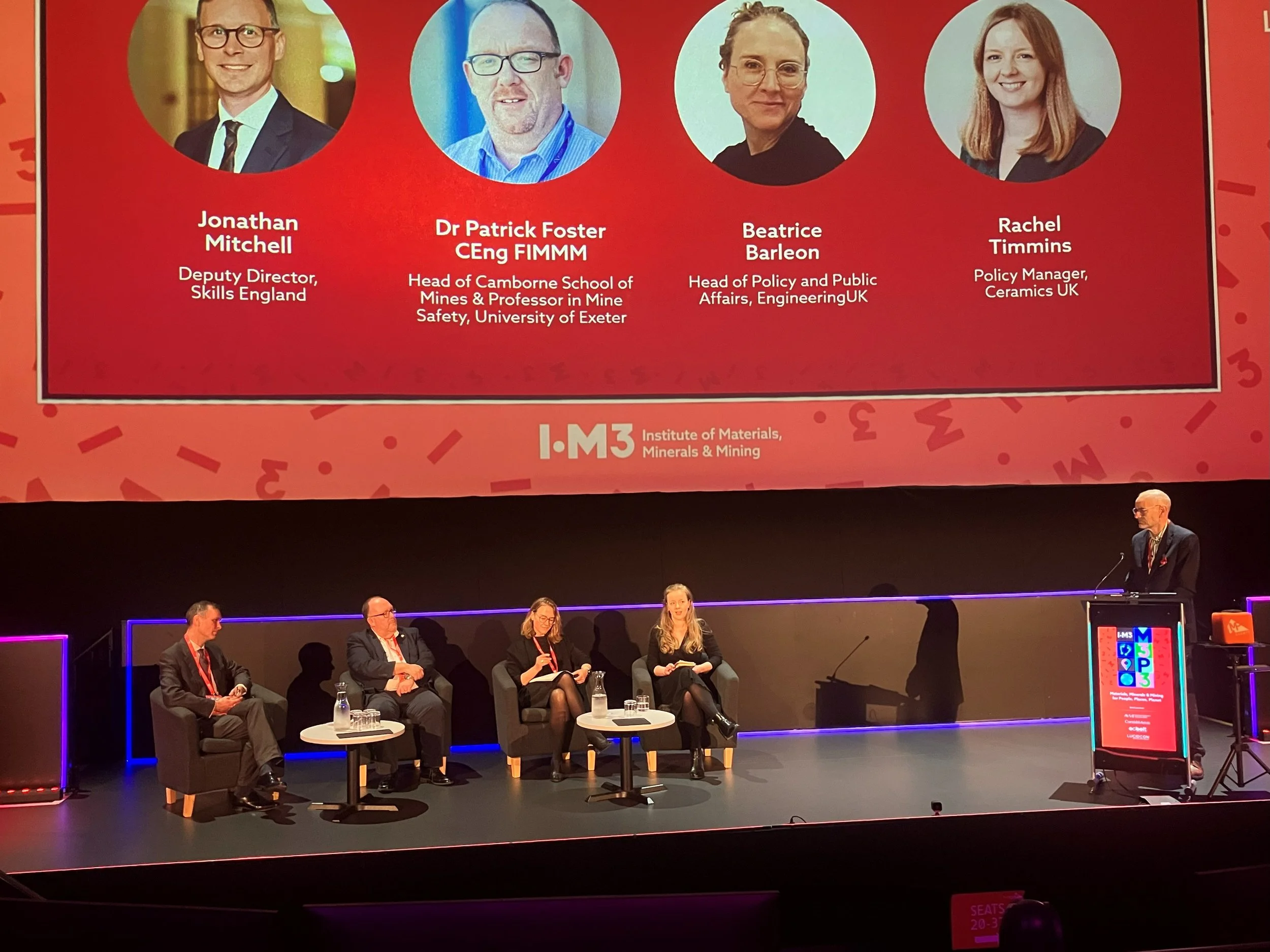
This year, I’ve taken part in panels, including presenting at the Advanced Ceramics Show in Birmingham. These opportunities allow me to showcase the work of our members and highlight initiatives focused on skills development and wider industry improvements.
Is there an achievement that you are most proud of since joining Ceramics UK?
I would say the parliamentary events stand out. When we launched Ceramics UK under the new brand, we organised a reception in Parliament, which was very successful. More recently, the parliamentary dinners have been a different approach to engagement, a more intimate setting where members can speak directly to politicians and hear from ministers. I am pleased to report that the All Party Parliamentary Group (APPG) for Ceramics has also now been revived as another means to engage politicians and we have some exciting plans for 2026.
What's the most important thing you've learned in your career so far?
I’ve learned the value of saying “yes” to opportunities that feel challenging. I think the biggest lesson is to embrace opportunities rather than shy away from them.
Can you share a fun fact about ceramics or yourself?
There’s an acronym for almost every topic in ceramics, which shows just how specialised and detailed the industry is.