
Responsible Manufacturing Part One - The Sector's Evolution: From Ancient Craft to Low-Carbon Production
Ceramics have been part of human civilisation for over 20,000 years. Proof of their durability surrounds us; ancient Roman brickwork and tiled structures still stand as a testament to their longevity.
Ceramic manufacturing has changed considerably over that time. Today, manufacturers combine generations of materials expertise with increasingly sophisticated production technologies, process controls and energy-management systems.
Manufacturing ceramics is, however, inherently energy intensive. Many products require firing at temperatures exceeding 1,000°C to achieve their required properties and performance. Improving the efficiency of these processes and reducing their emissions is therefore central to the sector's contribution to the UK's decarbonisation ambitions.
Manufacturers are pursuing multiple routes to improve efficiency and reduce emissions, including:
Energy and thermal efficiency
Heat recovery and process optimisation
Digital monitoring and process control
Fuel switching and alternative firing technologies
Greater material and resource efficiency
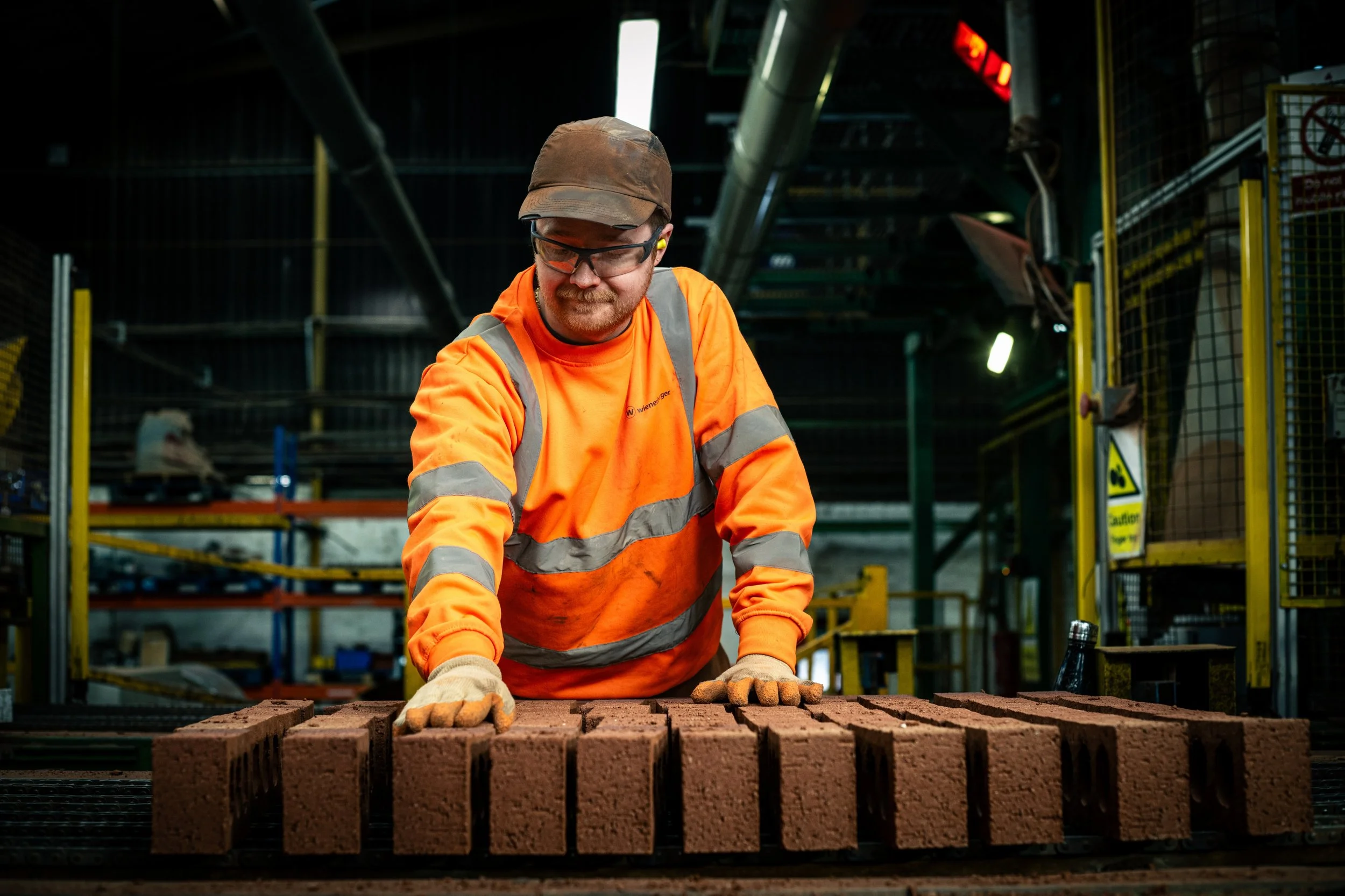
Member Case Study: wienerberger UK secures funding for world’s first hydrogen-fired brick kiln
A prime example of this evolution in action is wienerberger UK & Ireland, which recently secured government-backed funding through the Industrial Energy Transformation Fund (IETF) to adapt its Denton brickworks in Greater Manchester.
Part of a £6 million conversion project, the site is retrofitting two tunnel kilns to run on 100% green hydrogen, making it the world's first commercial-scale hydrogen-fired brick plant. Cross-industry testing led by Ceramics UK demonstrated the technical feasibility of firing ceramic products using 100% hydrogen without adversely affecting product quality or performance. Once fully operational, the site will cut over 11,600 tonnes of CO₂ emissions annually, serving as a blueprint for decarbonising heavy clay manufacturing across the sector.
Continue reading the case study here.
Picture © Jonathan Oakes
Member Case Study: Ketley Brick, Digital technology and process control
In August 2024, Ketley introduced factory-wide micro-metering, providing real-time monitoring of energy consumption across their kilns, dryers and major motors. The data generated has enabled the company to identify and implement further efficiency improvements, including the replacement of an ageing compressor and the installation of variable-speed drives on combustion air fans.
These projects demonstrate how digital monitoring can support data-led decision making, helping to reduce energy consumption while improving process efficiency.
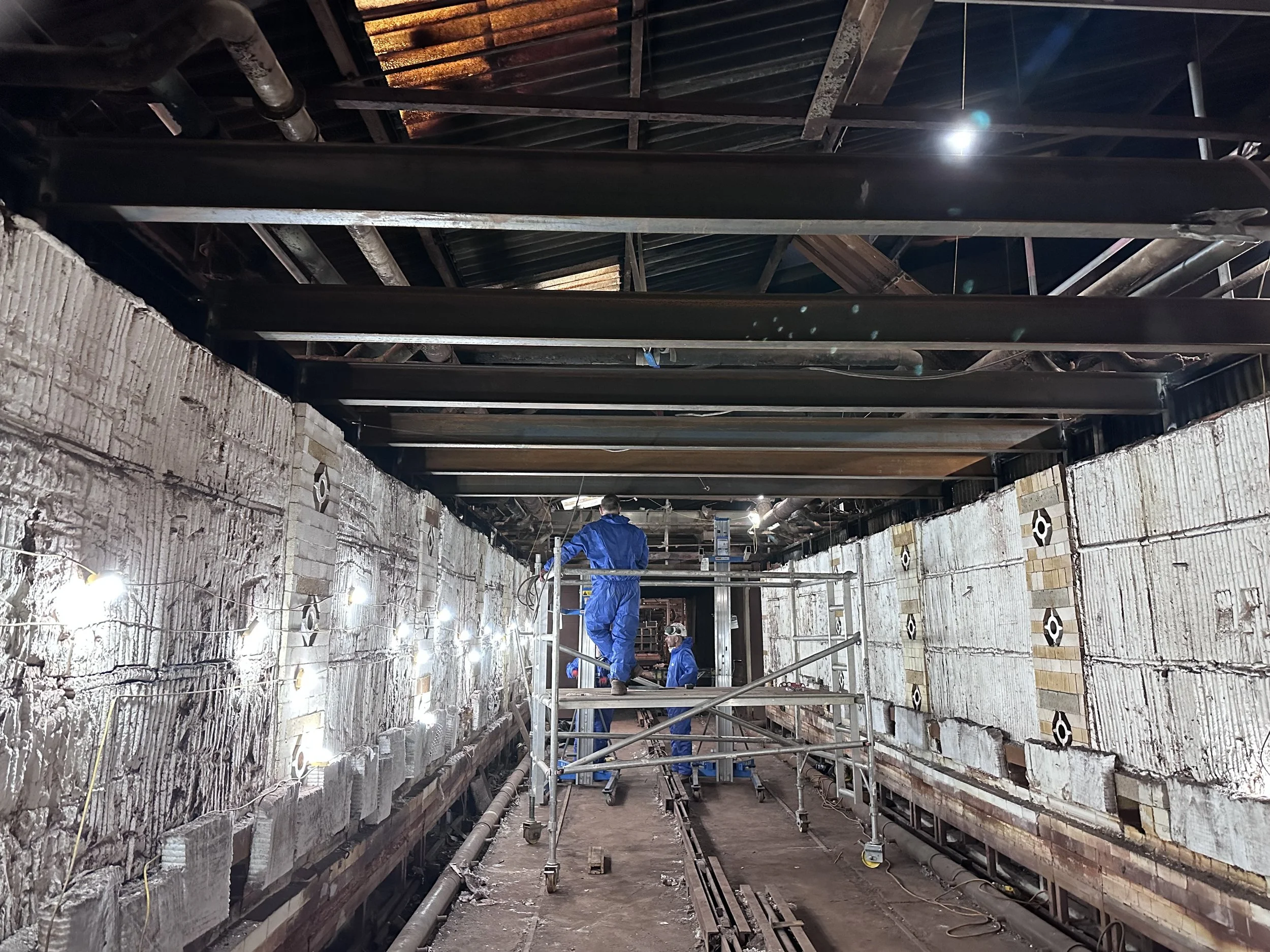
Member Case Study: Ketley Brick, Energy efficiency
Ketley has completed the refurbishment of two brick kilns, significantly enhancing overall operational efficiency through upgraded insulation and optimised thermal performance.
Insulation & Thermal Upgrades: Comprehensive refurbishment of both kilns is projected to reduce localised natural gas consumption by approximately 8%.
Pulse-Firing Technology Integration: On one of the refurbished kilns, Ketley implemented advanced pulse-firing technology, which is expected to yield an additional 5% reduction in gas usage.
Combined Impact: The dual-upgraded kiln achieves a total targeted gas savings of ~13%, lowering carbon intensity while maintaining precise temperature control.
This project highlights Ketley's commitment to sustainable manufacturing and continuous energy optimisation across its firing processes.
Picture © Ketley Brick
Making Better Use of Resources
Responsible manufacturing also means looking beyond energy to consider how materials and other resources are used throughout production.
Across the ceramic sector, manufacturers are exploring opportunities to reduce production waste, reuse materials where technically appropriate, improve water management and reduce unnecessary packaging. Alongside improvements in energy efficiency, these measures can help manufacturers make better use of resources throughout the production process and wider supply chain.
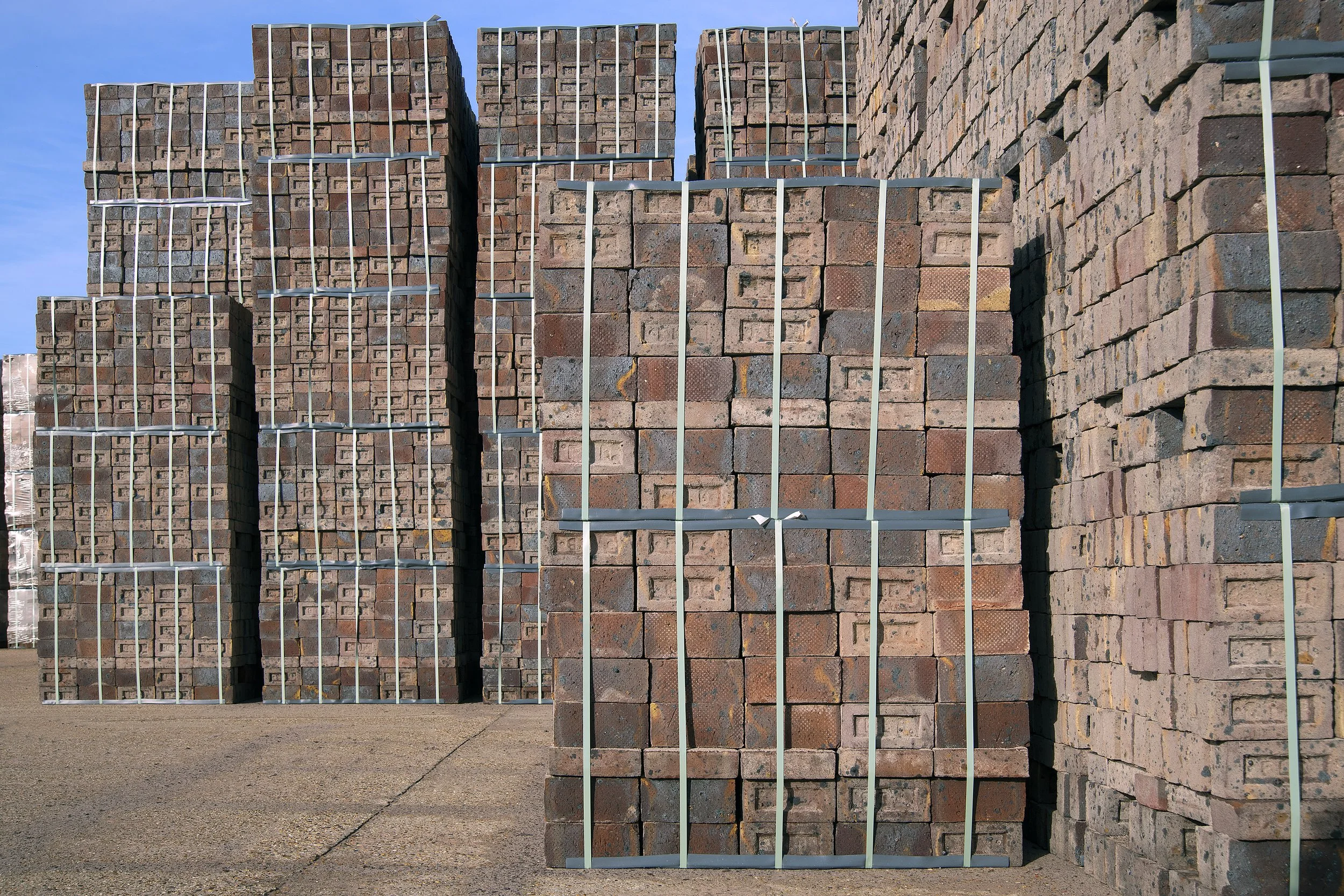
Member Case Study: Michelmersh tackles single-use plastics
Ceramics UK member Michelmersh Brick Holdings PLC has been exploring ways to reduce single-use plastic associated with packaging and distribution.
Initiatives including changes to packaging materials, optimising the amount of pallet wrap used and increasing recycled content demonstrate how manufacturers can look beyond the production process to identify further opportunities for resource efficiency.
These practical changes form part of wider industry efforts to reduce unnecessary packaging while ensuring products remain adequately protected during storage and transportation.
Learn more about this initiative here.
Freshfield Lane © Michelmersh Brick Holdings PLC
Why Ceramic Manufacturing Remains Energy Intensive
Despite significant improvements in efficiency, ceramics manufacturing remains inherently energy intensive. Creating durable products requires firing raw materials at temperatures often exceeding 1,000°C to achieve the properties required for their end use.
Because thermal energy cannot simply be engineered out of the process, the sector's decarbonisation transition will increasingly depend on access to viable lower-carbon energy sources and technologies.
This transition cannot be delivered by manufacturers alone. Internationally competitive energy prices, sufficient grid capacity, supporting infrastructure, commercially viable alternative fuels and accessible capital support will all be critical to enabling further progress.
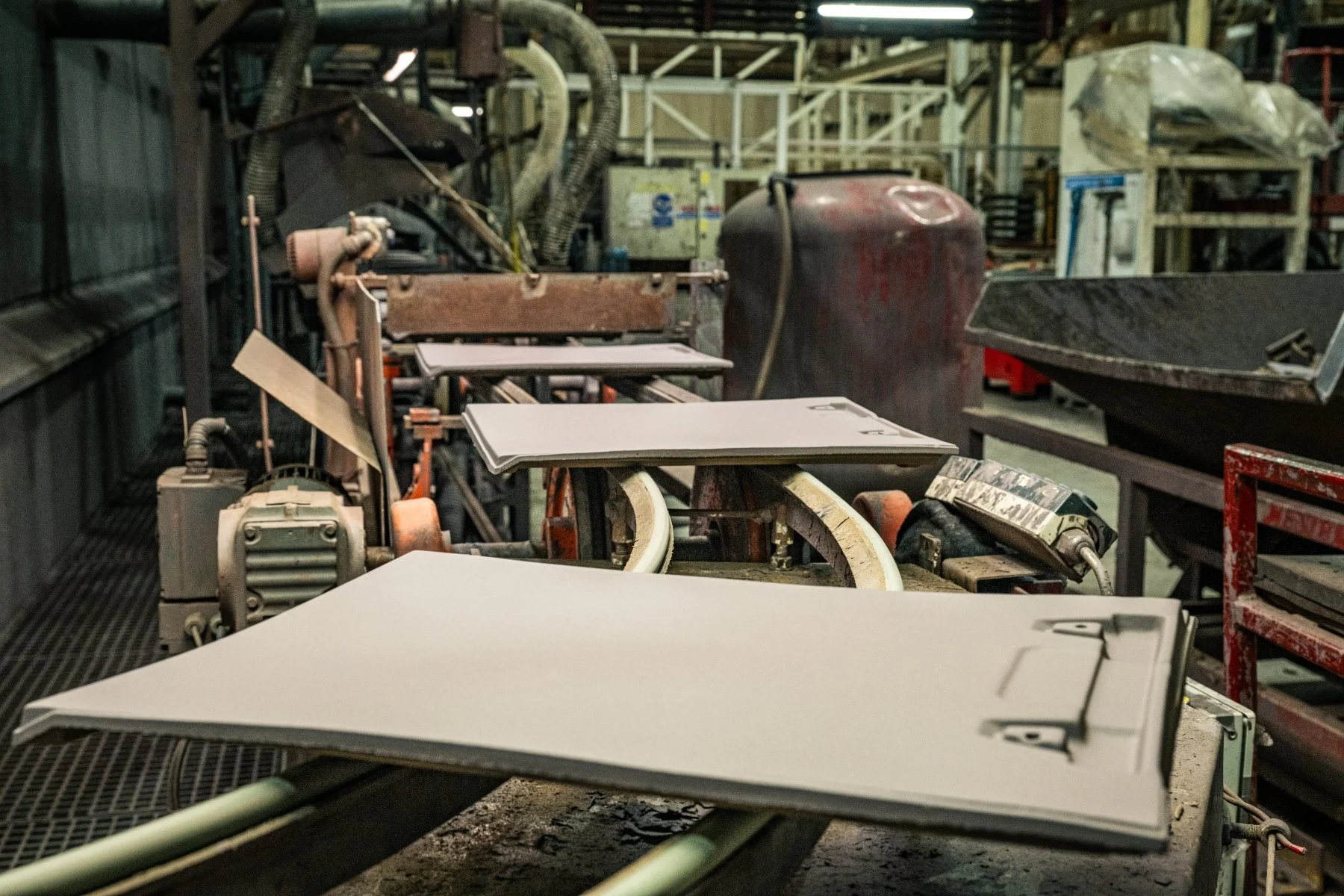
Member Case Study: wienerberger UK Broomfleet Electrification
Developing the world's first industrial electric tunnel kiln for clay tile production, proving full electrification is viable for high-temperature applications.
Broomfleet Factory © Jonathan Oakes
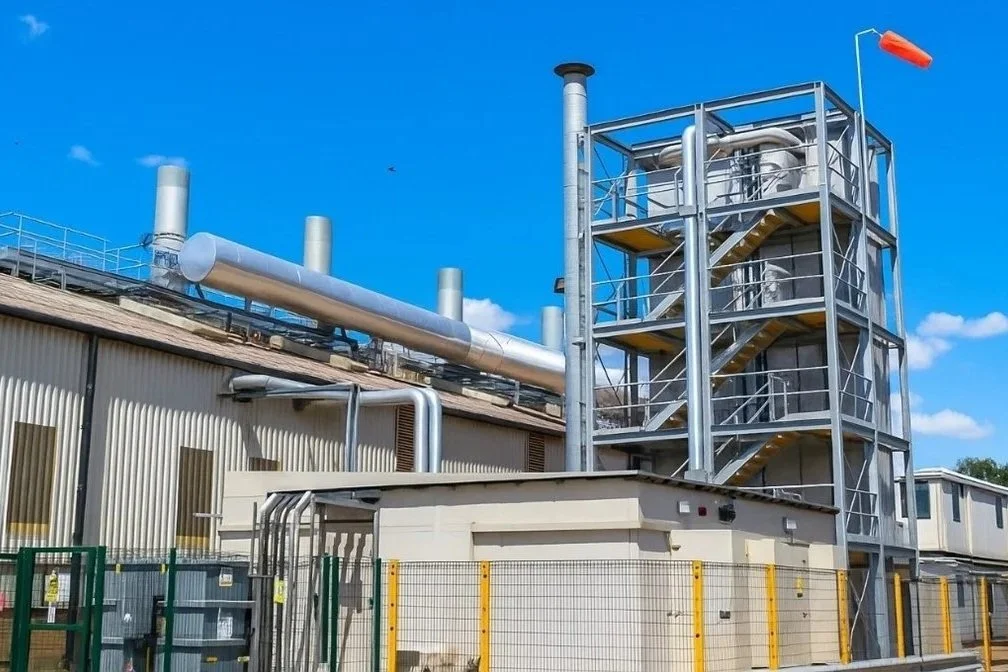
Member Case Study: wienerberger UK Warnham Brickworks
Leading large-scale heat decarbonisation projects by combining heat pump technologies, alternative fuels, and process efficiency upgrades to eliminate fossil gas dependencies.
Warnham Brickworks © wienerberger
These projects demonstrate the range of technologies being explored across UK ceramic manufacturing. From greater energy efficiency and digital process control to hydrogen, electrification and alternative fuels, there is unlikely to be a single solution that works across every ceramic product, process or site.
The industry has a clear role to play in developing and adopting these technologies. But turning successful trials into commercially viable solutions at scale will require the right energy, infrastructure, investment and policy environment.
Continued collaboration between manufacturers, Government, energy providers and the wider supply chain will therefore be essential if the UK is to decarbonise ceramic manufacturing while retaining a competitive domestic industry.
Stay tuned for Part Two of our series, where we explore the human story behind the sector - focusing on skills, workplace safety pledges, and the importance of sharing good practice across the sector.