
Government delegation on fact-finding mission for ceramics support package
Government officials toured four key ceramics manufacturers in and around Stoke-on-Trent as part of a fact-finding mission following the allocation of £120 million support package for the sector.
Hosted by national trade body Ceramics UK, the visit saw a delegation from the Department for Business, Innovation, Science and Trade (DBIST) travel to Valentine Clays, Mantec Technical Ceramics, Steelite International and Ibstock’s brick factory across two days.
With an itinerary including site tours and discussion sessions, the visit was designed to provide the delegation with insight into the wide range of businesses operating in the ceramics sector and how the new Ceramics Industry Support Scheme funding will help safeguard jobs, spark innovation and put the industry on a sustainable pathway for the future.
On the first day, Hannah Ault, Managing Director of Fenton-based Valentine Clays Ltd and President of Ceramics UK, hosted a roundtable discussion with members of the trade association, and of the DBIST Directorate of Foundation Industries, Rail, Maritime and Strategy.
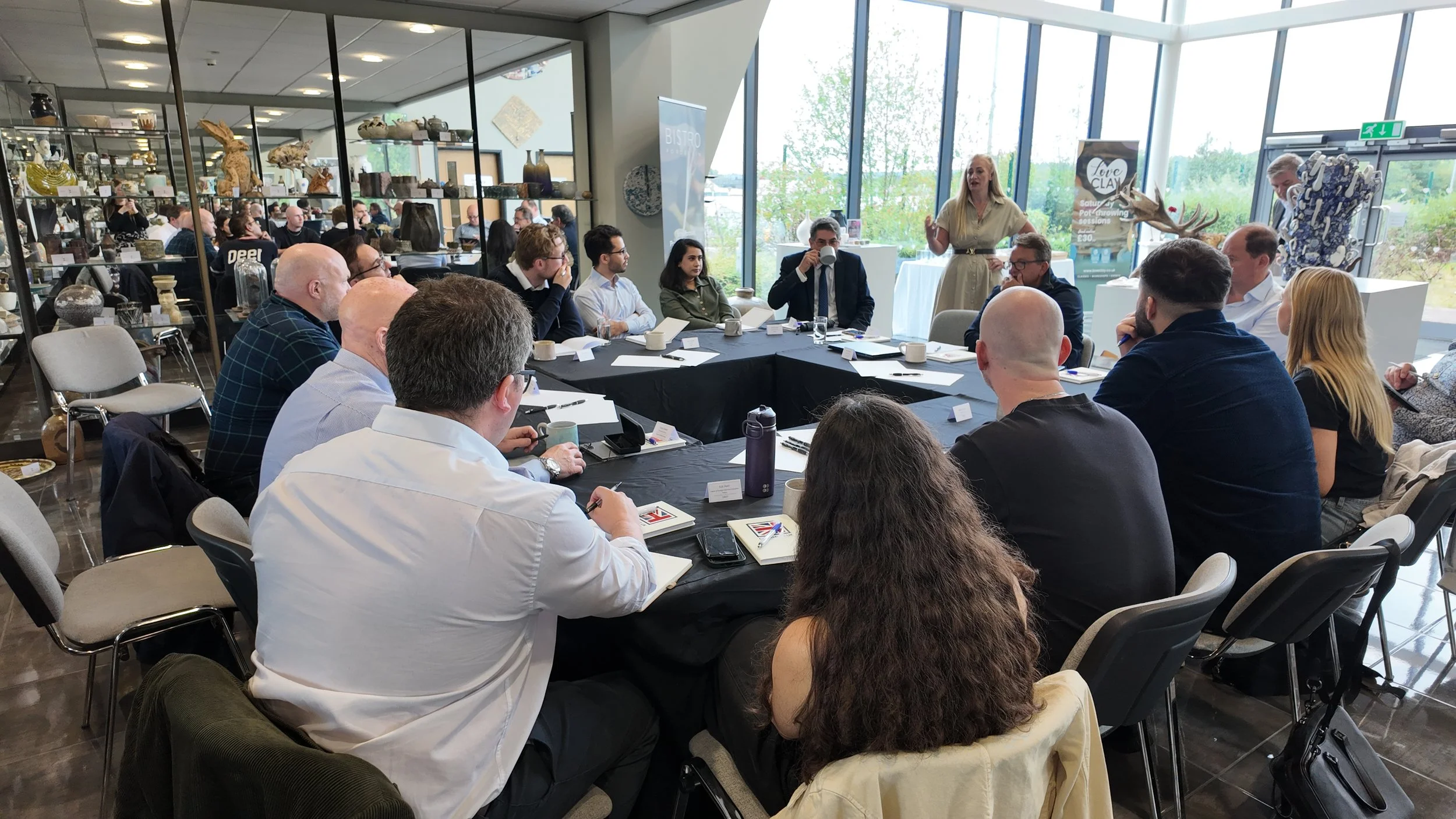
Hannah Ault, Managing Director at Valentine Clays leads a roundtable discussion with members of Ceramics UK and government officials
The group, which also included DBIST materials analysts, was given the inside track on technical ceramic production with a factory tour at Longton-based Mantec Technical Ceramics, while the second day of the visit saw the group visit Steelite International’s Burslem factory, before concluding the visit with a tour of one of Ibstock’s brick factories, in Chesterton, Newcastle-under-Lyme.
The tour included an overview of Mantec’s Ultralite™ range of insulating ceramic materials, developed to reduce energy consumption in high-temperature gas and electric kilns and furnaces across the UK ceramics sector, lower operating costs, and cut carbon emissions.
Mantec Sales Director, Tim Evans, said: “Mantec is convinced that these energy-consumption-reducing materials can play a key role in the decarbonisation strategy of UK ceramics manufacturers.
“As a manufacturing business, we hope to secure funding through the Government’s Ceramics Industry Support Scheme for more efficient manufacturing equipment.
“This would enable us to improve the efficiency of our own manufacturing processes, reduce our costs and, ultimately, make these vital materials more affordable and accessible to the wider UK ceramics sector.”
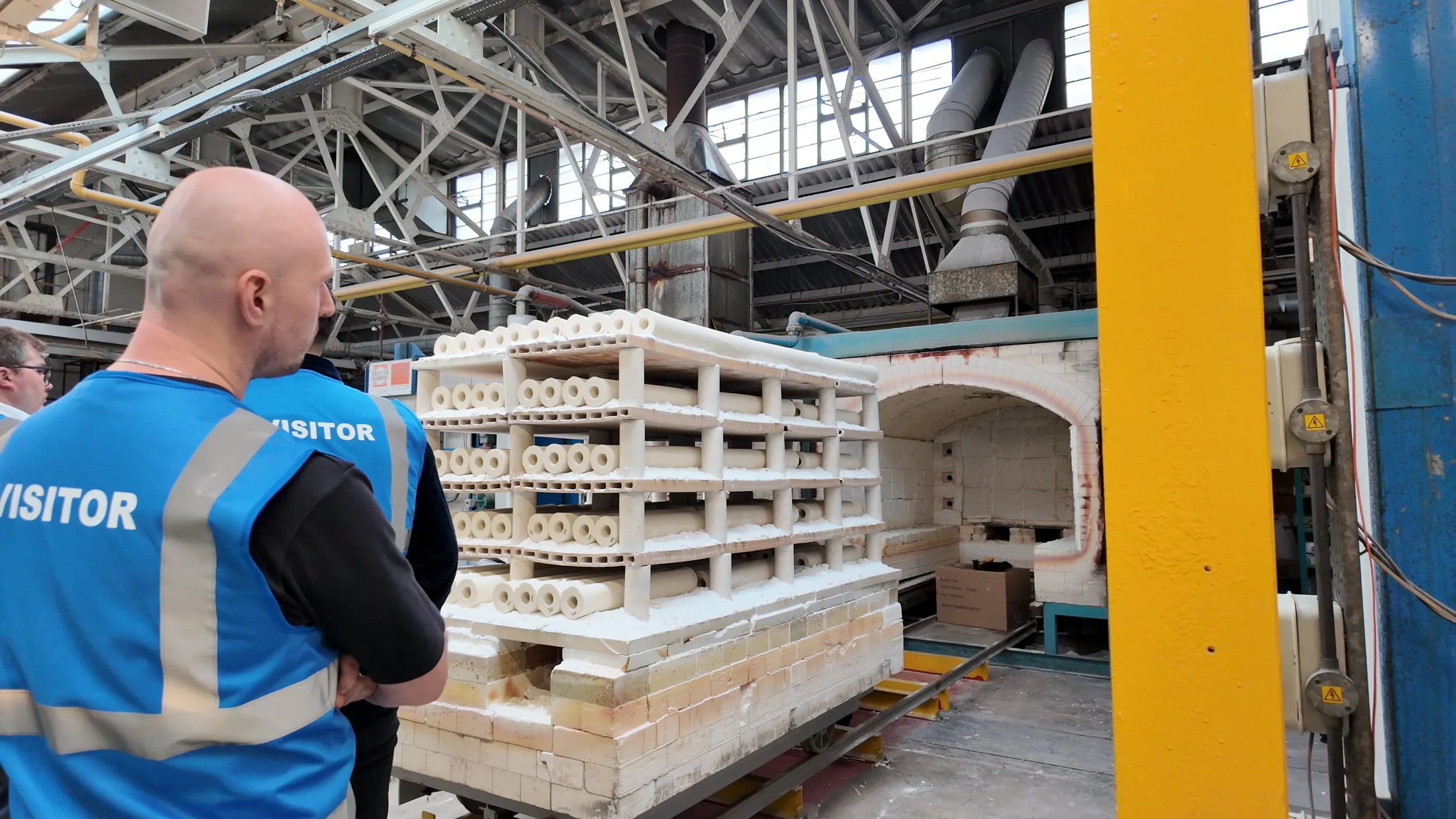
Delegates from DBIST got the inside track on technical ceramics during a tour of the Mantec factory in Longton
Jon Cameron, Group Finance Director at Steelite, added: “Our factory is our greatest asset and we were delighted to welcome a delegation from DBIST to demonstrate the skill and care involved in manufacturing our award winning tableware.
“The funding support package announced by the Government in May 2026 is vital for our industry who have been impacted by high energy and operational costs for some time.
“Getting representatives on the shop floor is vital for DBIST to better understand the complexities of our industry and how best to use the package to support wider UK ceramic manufacturing.”
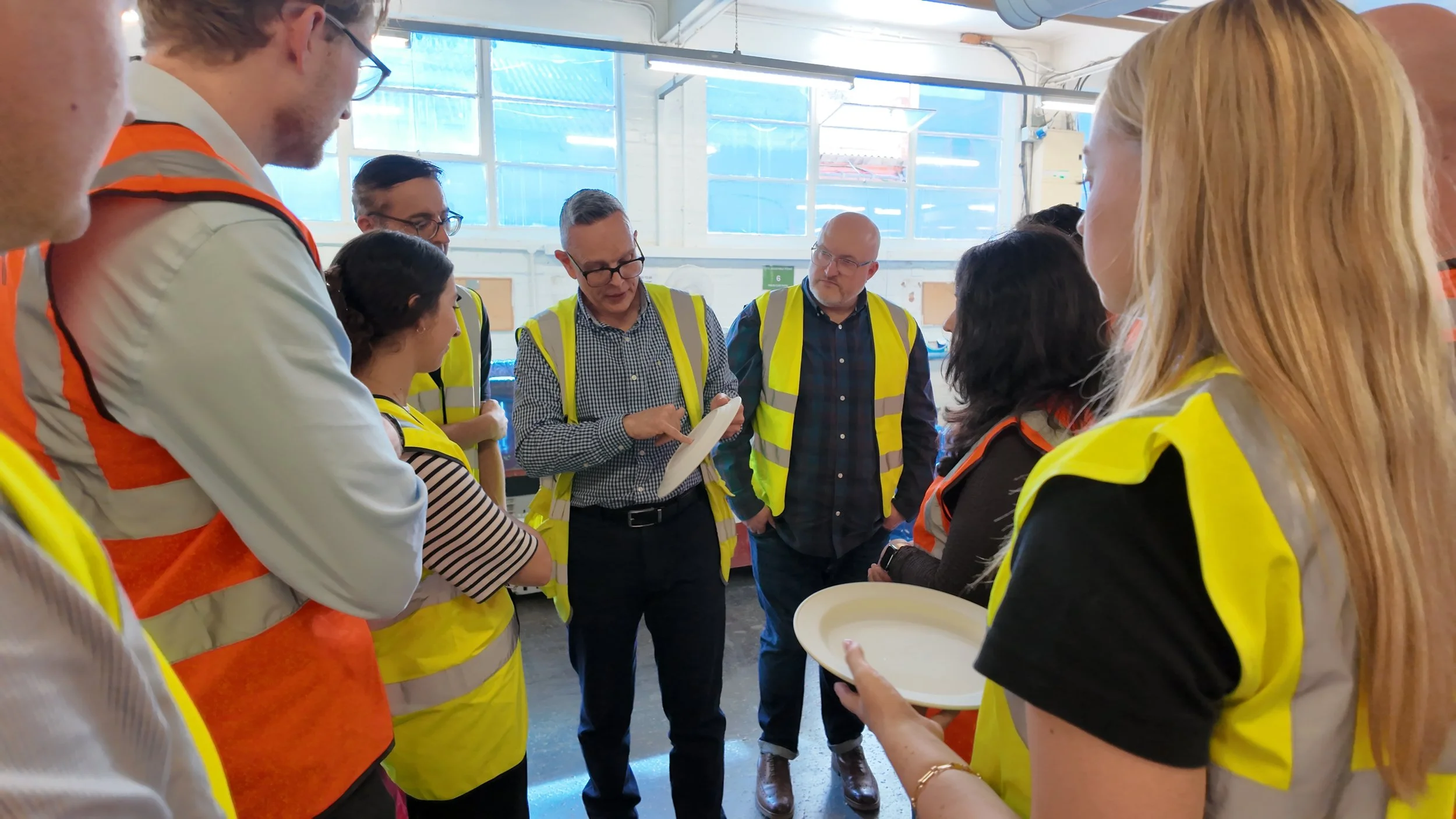
Quality and Technical Manager Steve Morley, lead a site visit of Steelite International’s Burslem factory as part of the visit
Ceramics UK is working closely with civil servants from DBIST on the Ceramic Industry Support Scheme, and arranged the round table to ensure a representative sample of its members could discuss the programme directly with the officials actually drafting the rules.
Rob Flello, CEO of Ceramics UK, said “From tableware used in the finest hospitality environments around the world, to the clay bricks that are essential to the construction of the UK’s housing stock, and high technology components for sectors including defence, aerospace and pharmaceutical, the visitors were given a comprehensive overview of the scope and scale of the ceramics sector.
“Seeing business operations first hand highlighted how diverse the industry is, how many jobs and livelihoods the sector supports, and how much pride and skill goes into ceramics manufacturing.
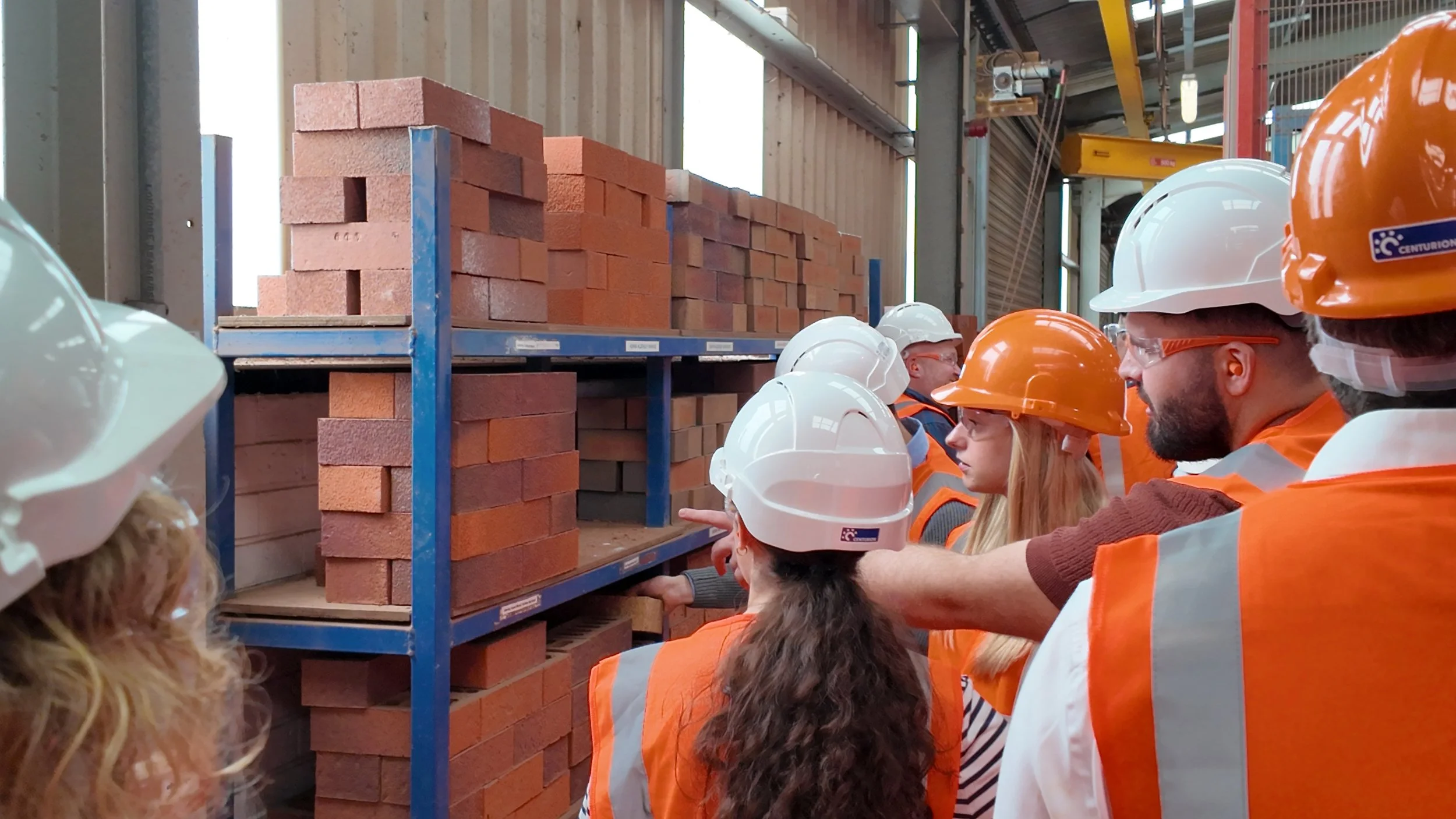
The visit concluded with a tour of one of Ibstock’s brick site in Chesterton, Newcastle-under-Lyme, where delegates learned about the production of bricks
“I am delighted that the civil servants were able to discuss detailed proposals and hear how they would and indeed wouldn’t work in the real world. All in all it was a very valuable opportunity and I’m optimistic the scheme will be much better as a result.
“DBIST officials will now continue to engage with Ceramics UK and the sector as they develop the Ceramics Industry Support Scheme, to ensure that the policy is fit for purpose and secures the long-term competitiveness of the industry as an essential foundation industry of the UK economy.”
Emily Landsborough, Head of Sustainability at Ibstock added: “We were pleased to welcome the DBIST team to one of our brick factories in Chesterton and show first-hand the scale, complexity and importance of UK brick manufacturing.
“As the UK looks to accelerate the delivery of new homes, it is vital that Government supports the role domestic manufacturers play in supporting housing delivery, skilled jobs and resilient supply chains.
“The visit provided a valuable opportunity to discuss both the challenges facing manufacturers with energy usage and the practical steps needed to ensure the Ceramics Industry Support Scheme is targeted and workable for the brick manufacturing sector.”
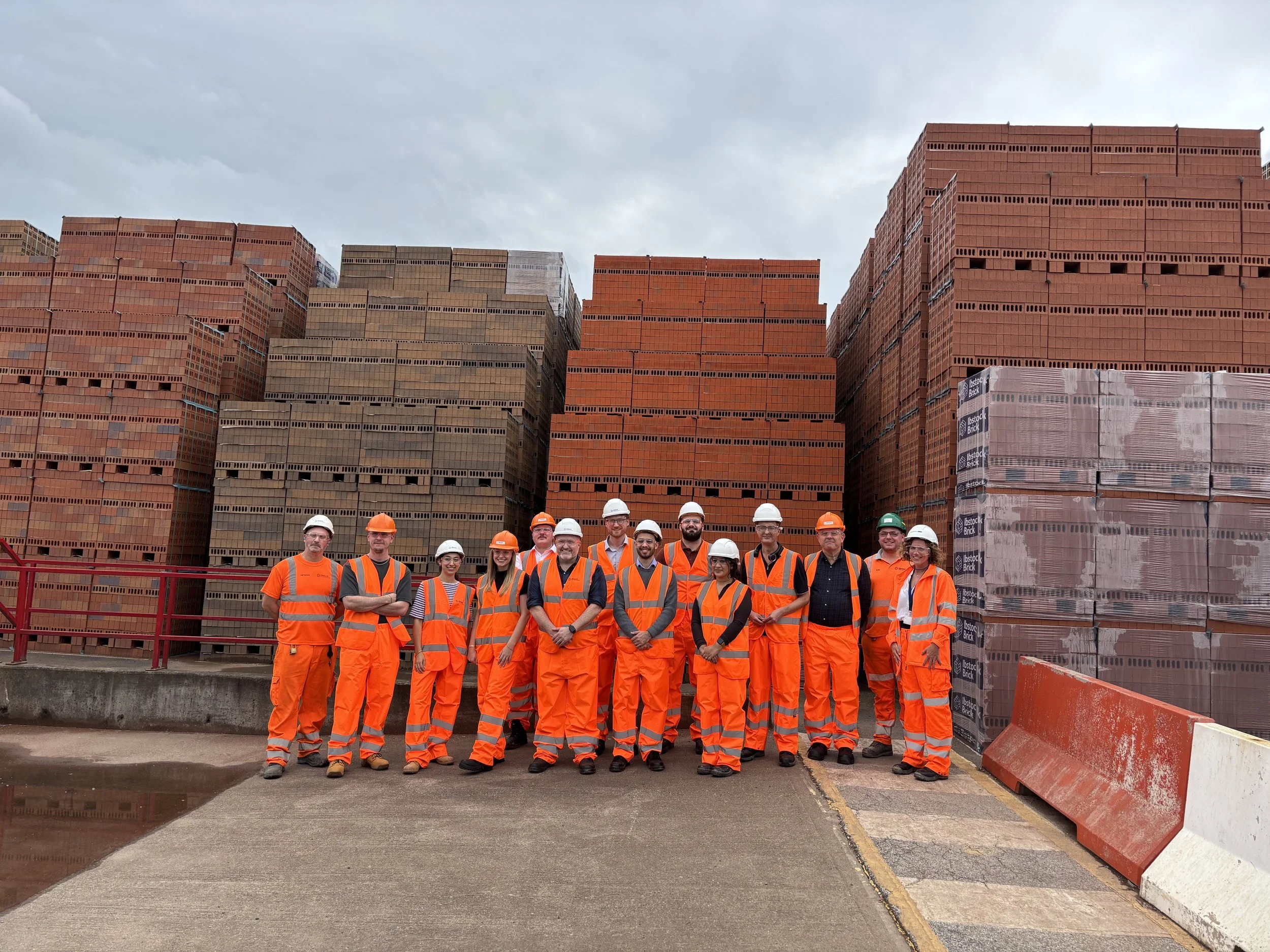
Delegates from DBIST stood outside of Ibstock’s site at Chesterton
Ceramics UK would like to extend a huge thank you to our members for opening their doors and sharing their expertise, and to the DBIST representatives for their time, interest and engagement throughout the two days.