
Responsible Manufacturing Part Two - The People Behind Modern UK Ceramics: Skills, Safety and Good Practice
While high-technology kilns and clean fuels dominate the headline news on industrial, new technologies are changing the way ceramics are manufactured, but people remain at the heart of the industry.
Responsible manufacturing isn't only about reducing emissions or improving efficiency. It also means developing the skills needed for the future, investing in safer ways of working and creating workplaces where health, safety and wellbeing are embedded into everyday operations.
The Skills Behind Modern Manufacturing
Behind advances in ceramic manufacturing are skilled engineers, materials scientists and process specialists who are helping to shape how the industry evolves.
Modern ceramic manufacturing is increasingly technology-led, combining established manufacturing expertise with specialist knowledge in thermal engineering, automation, digital process control and environmental engineering.
As new technologies emerge, these skills will be critical to improving efficiency, supporting safer and more reliable processes, and helping the sector progress towards its decarbonisation goals.
Technology is not a replacement for this expertise. Modern equipment, automation and digital monitoring can support skilled teams by providing greater insight into manufacturing processes, improving consistency and helping identify potential issues earlier.
Member Spotlights: Meet the People Behind the Progress
The ceramics industry relies on a rich variety of talent, from designers and glaze technicians to logistics experts. Read on to meet a standout employee from wienerberger UK and celebrate a fantastic award win with 1882 Ltd.
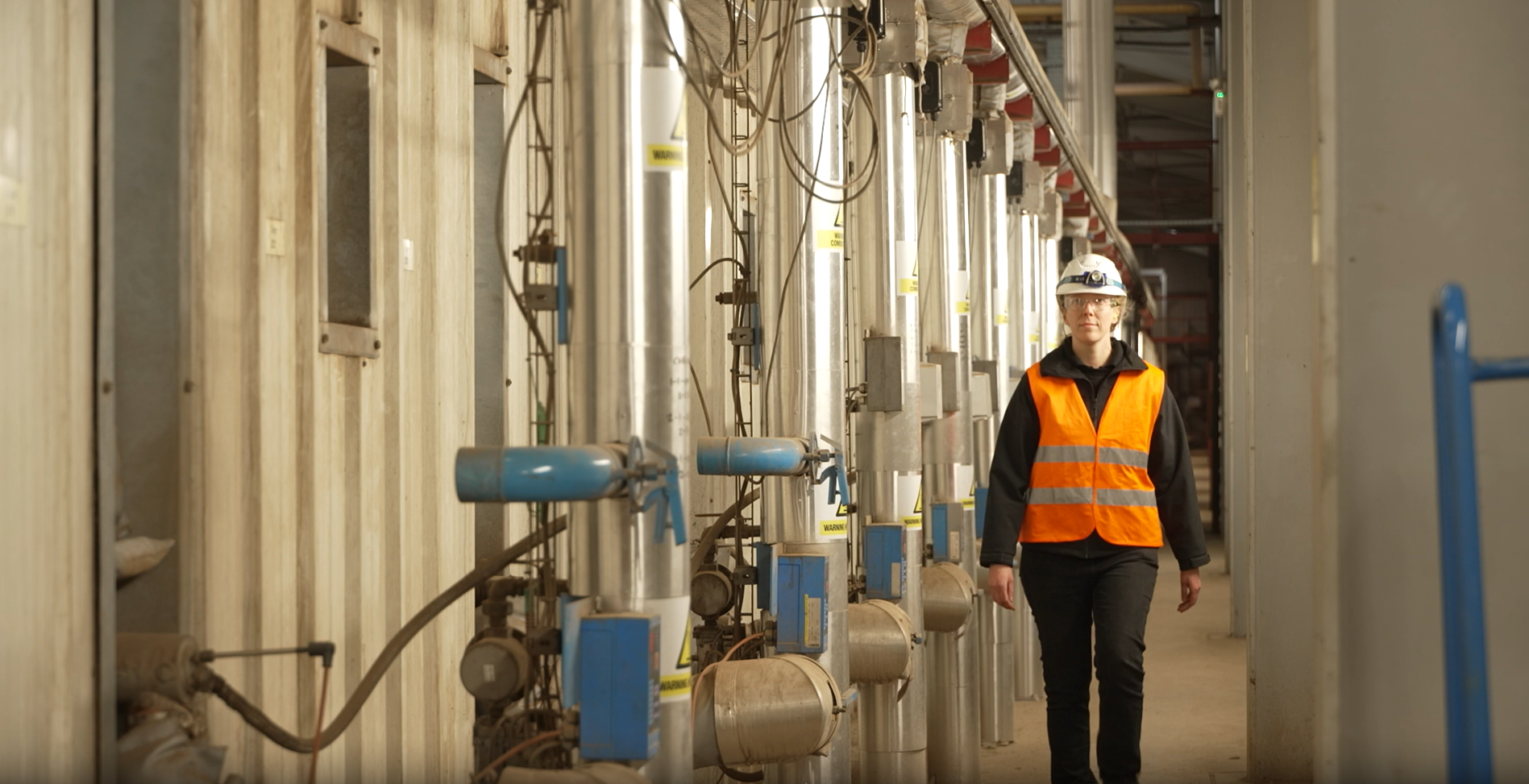
Emilande Renard, Senior Thermal Process Engineer, wienerberger UK
Specialising in thermal efficiency and kiln optimisation, Emilande is involved in designing and testing new heat systems and exploring how energy use and emissions from clay product manufacturing can be reduced.
Her work demonstrates the important role engineering expertise plays in translating research and emerging technologies into practical manufacturing solutions.
Read more about Emilande and the role she plays at wienerberger.
Picture © wienerberger UK
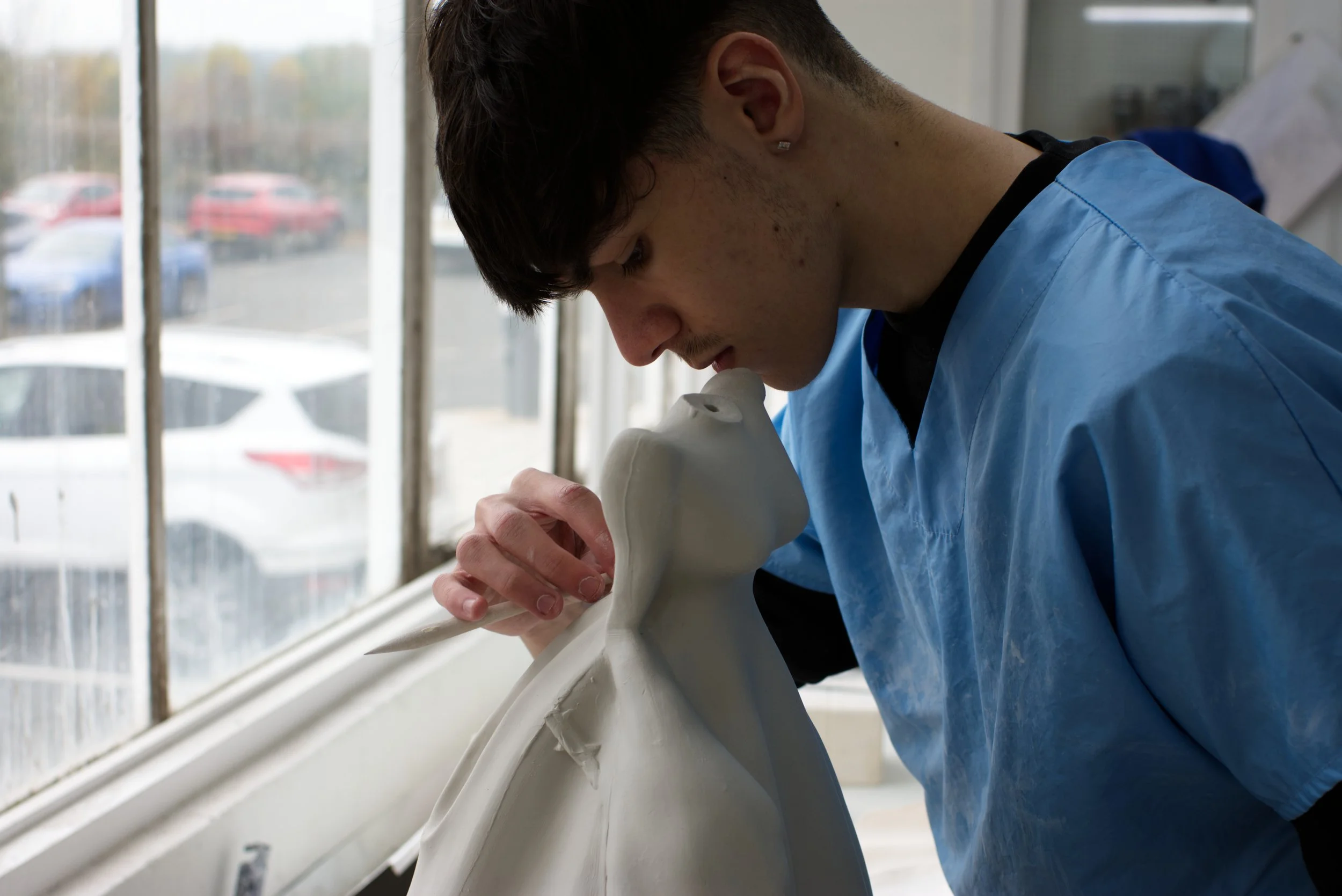
Growing specialist skills to address ageing workforce risks
In 2023, 1882 Ltd. launched its Craft Skills Development Programme to strengthen specialist ceramic capabilities through hands-on mentoring and live project learning. By building a skilled pipeline of potters across modelling, mould making, and casting; with three participants completing the training so far, the initiative has reduced reliance on outsourcing, boosted operational stability, and safeguarded long-term innovation against an ageing workforce. In recognition of this outstanding success, 1882 Ltd was recently honoured with a prestigious Princess Royal Training Award.
“Through the 1882 Ltd. Training Programme we partner young practitioners new to the industry with master potters whose skills are at risk of extinction. These teams work side by side for years, transferring expertise that has been developed over decades and centred on hands-on heritage skills. The programme is driven by our potters, adapting to their needs and the needs of the business, creating opportunities for innovation and genuine technical excellence.
The city and the industry are made up of chemists, engineers, artists, innovators and disruptors - all of whom would simply refer to themselves as 'potters'. This collective expertise, if given the chance to be passed on from generation to generation is what drives the UK ceramics industry.“
Emily Johnson, Director 1882 Ltd.
Picture © 1882 Ltd
Prioritising Health, Wellbeing and Safe Workplaces
Responsible manufacturing starts with people. Investment in modern equipment, automation and improved processes can help reduce exposure to workplace risks and support safer ways of working.
Alongside effective training, strong leadership and employee engagement, these measures help embed good practice and create safer, healthier workplaces.
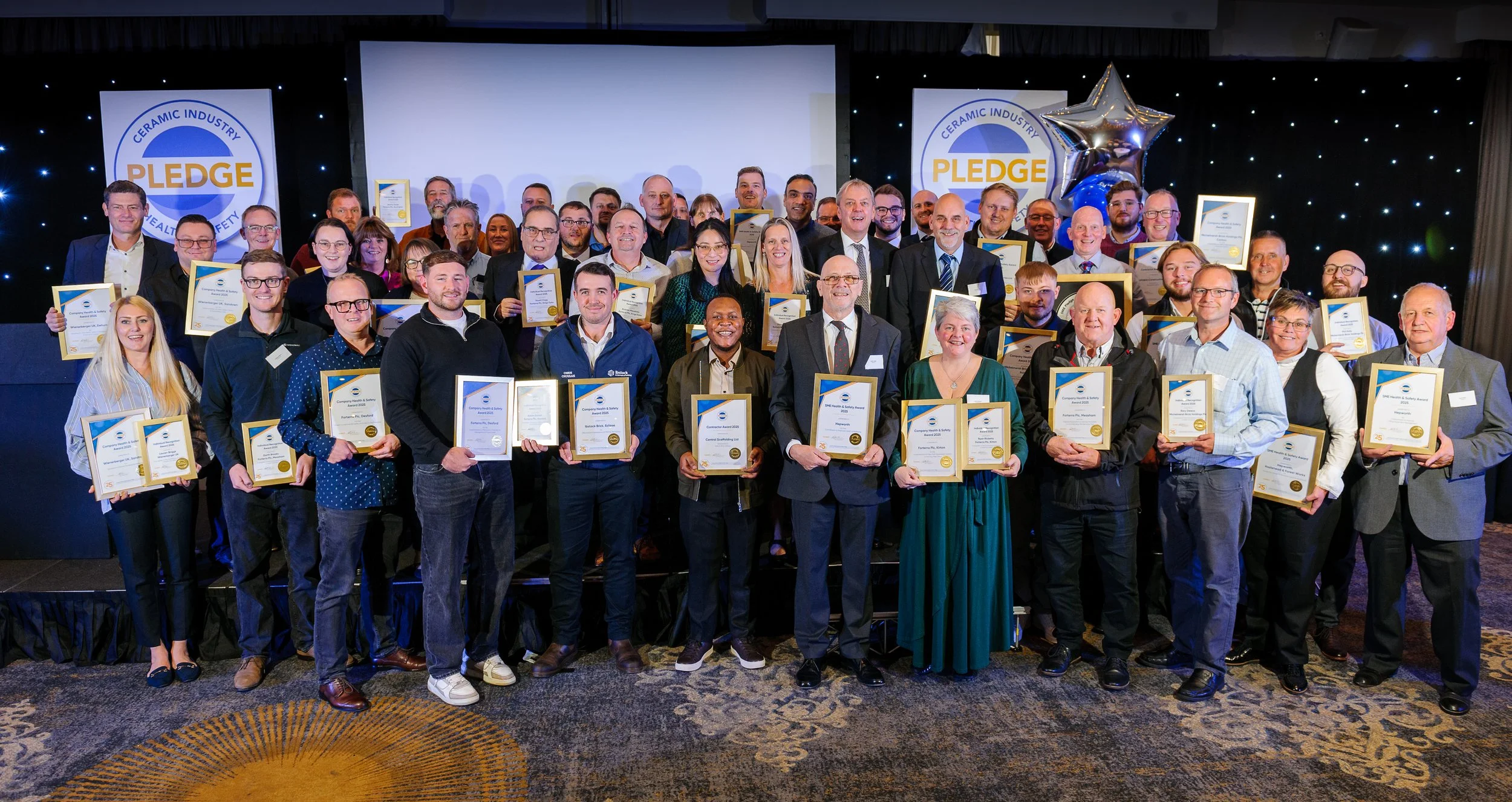
Through industry-wide initiatives such as the Ceramics UK Health & Safety Pledge Scheme, members build on this commitment by working together to share knowledge, learn from good practice and drive continuous improvement across the sector.
The Pledge recognises that maintaining high standards of health, safety and wellbeing requires ongoing collaboration at every level of an organisation.
People and Technology, Working Together
The modernisation of ceramic manufacturing is creating new opportunities to combine generations of practical manufacturing knowledge with emerging technologies.
Automation, sensors, digital monitoring and improved process controls can help streamline processes, improve efficiency and support safer and more consistent production. But the knowledge and judgement of skilled people remain fundamental.
Ensuring the industry has the right skills for the future, while continuing to share knowledge and good practice, will be essential as UK ceramic manufacturing continues to evolve.
Picture - Pledge Conference & Awards 2025
In Part 3 of our Responsible Manufacturing series, we look beyond the factory floor to explore why provenance matters, from product standards and testing to traceability, responsible sourcing and understanding how and where the ceramics we use are made.